Silver Is the New Gold: Why Industrial Demand Is Reshaping a Millennia-Old Metal
Silver Is the New Gold: Why Industrial Demand Is Reshaping a Millennia-Old Metal




Introduction
This video delivers a compelling, research-backed case for why silver—long overshadowed by gold—is emerging as a uniquely strategic asset in the 21st century. Far from a nostalgic relic, silver is undergoing a profound dual transformation: it remains a time-tested store of value while becoming indispensable to cutting-edge technologies—from electric vehicles and solar energy to AI data centers. Over several months of rigorous analysis, the creator uncovers a critical market imbalance: silver’s price-to-gold ratio has ballooned to 80:1, yet its above-ground supply is only ~10× that of gold—and demand is surging across industries with no viable substitutes. This isn’t speculation; it’s structural reality. Let’s unpack what makes silver irreplaceable, undervalued, and increasingly urgent.Historical Context: From Global Currency to Suppressed Commodity
Silver’s legacy stretches back over 4,000 years—not as mere ornamentation, but as foundational currency across civilizations from ancient Mesopotamia to imperial China and colonial Latin America. Unlike gold, which was often hoarded or reserved for elite use, silver circulated widely in daily trade due to its ideal balance of scarcity, malleability, and divisibility. Crucially, for millennia, the gold-to-silver price ratio remained remarkably stable—between 10:1 and 20:1—reflecting their relative rarity and functional parity in monetary systems. That equilibrium shattered with the global adoption of fiat currencies in the 20th century. As paper money replaced metallic standards, silver was systematically demonetized: removed from coinage, excluded from central bank reserves, and relegated to industrial or decorative roles. The consequence? The gold/silver ratio exploded—from a historic 15:1 average to over 80:1 by November 2025. This isn’t just a price anomaly; it signals a deep misalignment between silver’s monetary heritage and its modern industrial indispensability. The ratio’s distortion reveals how thoroughly silver’s true value has been obscured by decades of financial engineering and policy neglect.
The Structural Deficit: When Demand Outpaces Supply—Irreversibly
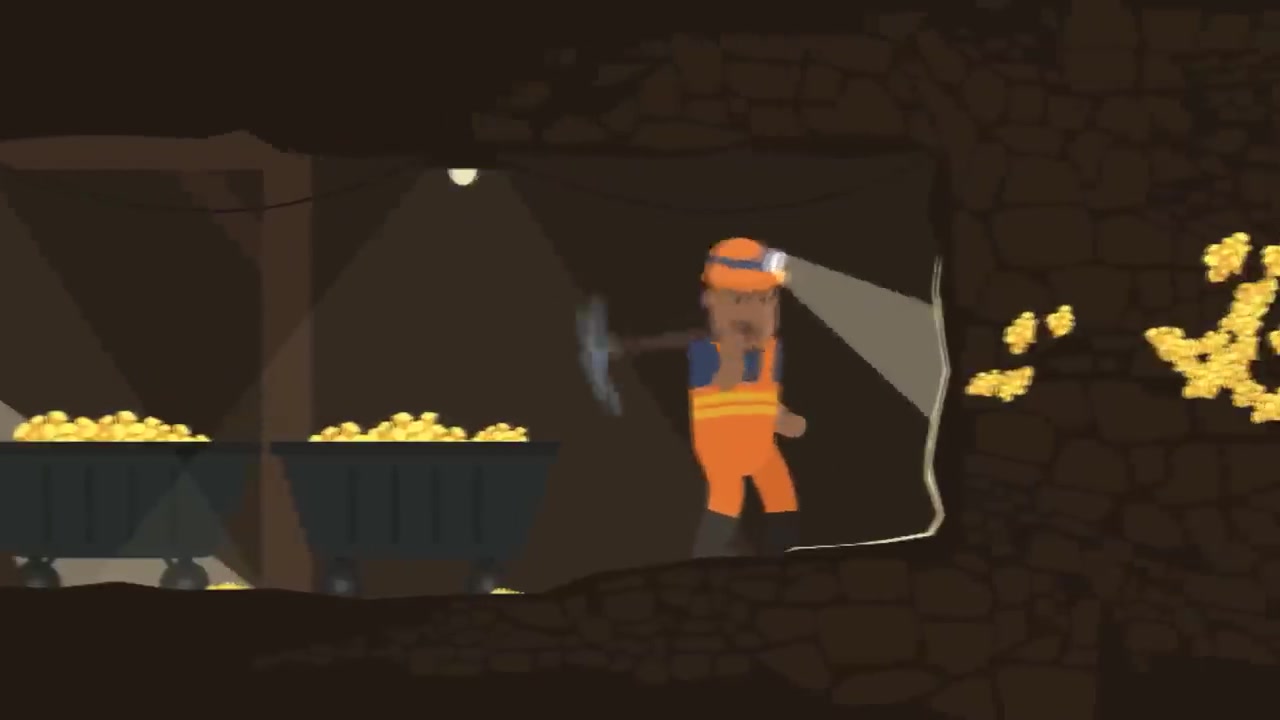
What makes today’s silver shortage fundamentally different from past cycles is its structural, not cyclical, nature. For over a decade, global silver demand has consistently exceeded supply—creating an annual deficit averaging 100–200 million ounces. This isn’t temporary underinvestment; it’s baked into geology, economics, and technology. Unlike gold—mined primarily for its own sake—over 70% of new silver is extracted as a byproduct of mining copper, lead, zinc, and nickel. Miners cannot simply “turn up” silver output; they must first justify expanding copper or zinc operations, making silver supply highly inelastic. Meanwhile, recycling—the other major source—faces steep hurdles: silver is used in microscopic quantities (e.g., conductive pastes in solar cells, RFID tags, microchips), dispersed across billions of devices, and rarely recovered at end-of-life. Less than 30% of silver used in electronics is currently recycled. This creates a powerful feedback loop: rising demand → tighter supply → higher prices → greater incentive to recycle → but recycling infrastructure lags far behind. The result? A persistent, widening gap where demand grows at 5–7% annually (driven by clean energy and digitalization), while supply stagnates near 1.1 billion ounces per year. This deficit isn’t closing—it’s accelerating.
Industrial Indispensability: Why Silver Has No Real Substitutes
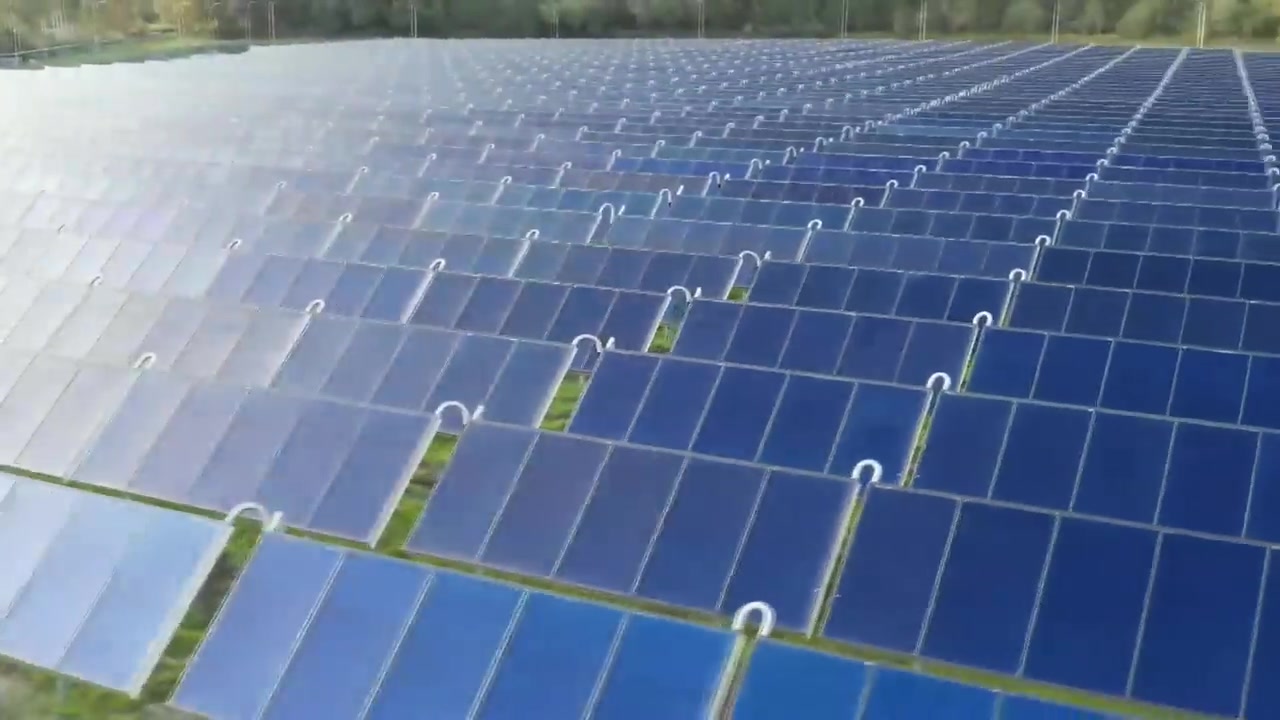
Silver’s dominance in high-tech applications stems from one immutable fact: it possesses the highest electrical and thermal conductivity of any element—surpassing even copper and gold—and does so at a fraction of gold’s cost. This unique physics enables applications where performance is non-negotiable. In photovoltaics, silver paste forms the front-side conductive grid on >95% of silicon solar panels—no alternative matches its efficiency, adhesion, and durability under UV exposure. Electric vehicles rely on 25–50 grams of silver per unit, primarily in powertrain sensors, battery management systems, and charging connectors—where reliability under thermal stress is critical. AI data centers, consuming unprecedented electricity, deploy silver-based thermal interface materials to manage heat in high-density server racks. Even medical devices (antimicrobial coatings), 5G antennas, and aerospace wiring depend on silver’s singular properties. Crucially, attempts to substitute silver with copper or aluminum fail under real-world conditions: copper oxidizes, increasing resistance; aluminum lacks ductility for fine-pitch printing; both underperform in extreme environments. As the presenter notes, replacing silver in many applications is “next to impossible”—not due to corporate inertia, but fundamental materials science. This isn’t niche usage; industrial demand now consumes ~67% of total silver supply—and it’s growing, not plateauing.
The Investment Awakening: From Neglect to Strategic Allocation
While industrial demand anchors silver’s long-term fundamentals, a parallel investment renaissance is amplifying its price trajectory. Historically sidelined by gold-focused portfolios, silver is gaining traction through accessible, transparent vehicles like silver-backed ETFs (Exchange-Traded Funds), which now hold over 600 million ounces—equivalent to ~6 months of global mine production. This institutional inflow reflects growing recognition of silver’s asymmetric upside: its high volatility offers leverage to gold’s moves, but its deeper undervaluation (evidenced by the 80:1 ratio vs. historical 15:1) and supply constraints create a powerful catalyst for mean reversion. Importantly, this isn’t driven by speculation alone. Central banks, though still gold-centric, are quietly accumulating silver—Mexico, Peru, and Poland have increased reserves significantly since 2022. Retail investors, empowered by fractional ownership platforms, are also entering en masse, drawn by silver’s tangible utility and inflation-hedging pedigree. Yet the market remains inefficient: silver’s dual identity—as both industrial metal and monetary asset—means it’s often mispriced by analysts focused solely on one narrative. This bifurcation creates opportunity: when industrial users compete with investors for finite physical silver, premiums spike, inventories dwindle, and price discovery accelerates. The convergence of tightening supply, exploding demand, and rising financial participation suggests silver is transitioning from a “poor man’s gold” to a strategic commodity demanding deliberate allocation.
Conclusion: Embracing Silver’s Dual Destiny
The evidence presented is unequivocal: silver is undergoing a historic inflection point. Its 80:1 price ratio to gold isn’t a sign of weakness—it’s a glaring signal of profound undervaluation rooted in structural realities: a persistent, widening supply deficit; irreplaceable industrial functions spanning clean energy, electrification, and AI; and a resurgent investment thesis validated by ETF flows and central bank activity. Unlike gold—which serves primarily as a monetary hedge—silver offers dual utility: it preserves value and actively enables technological progress. This makes it uniquely resilient across economic cycles. For investors, this demands a paradigm shift: silver shouldn’t be viewed as a speculative satellite to gold, but as a core, diversified holding with asymmetric growth potential. For policymakers and industries, it underscores urgent needs—to scale responsible recycling infrastructure and invest in exploration where silver is the primary target. Most importantly, this isn’t about predicting short-term price swings; it’s about recognizing a fundamental re-rating of silver’s role in the global economy. As the presenter wisely cautions, this isn’t investment advice—but it is a clear-eyed assessment of material reality. In an era defined by energy transition and digital acceleration, silver isn’t just “the new gold.” It’s the indispensable metal powering our future—finally receiving the recognition its unique properties and pivotal role deserve. The time to understand, respect, and strategically engage with silver is not tomorrow. It’s now.


Comments